
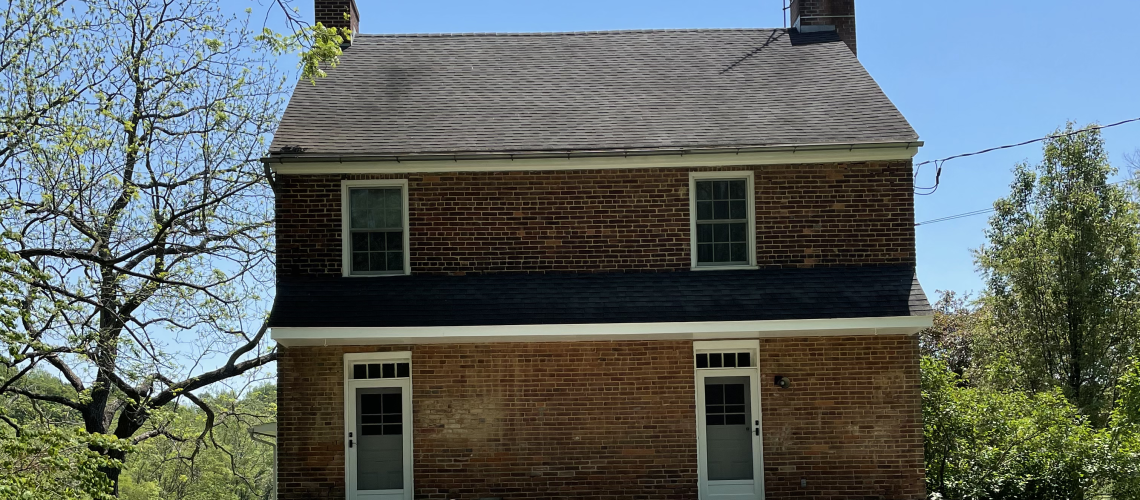

Preserving the rich heritage of historical buildings is a paramount responsibility that requires a delicate balance between conservation and modernization. As technology advances, integrating sophisticated fire alarm systems becomes essential to safeguard these architectural treasures. Read on to explore the challenges and solutions of implementing life safety measures in historical buildings while respecting their cultural and historical significance!
If you own a historic building, you know firsthand the importance of preserving the historic features. The National Park Service (NPS) has specific Historic Preservation Standards and Guidelines when it comes to restorations and additions to historic properties.
Restoration Standards:
“Restoration is the treatment that should be followed when the expressed goal of the project is to make the building appear as it did at a particular—and at its most significant—time in its history. The guidance provided by the Standards for Restoration and Guidelines for Restoring Historic Buildings is to first identify the materials and features from the restoration period. After these materials and features have been identified, they should be maintained, protected, repaired, and replaced, when necessary.”
Addition Standards:
“Additions must preserve the historic building’s form/envelope, significant materials, and features; must be compatible with the historic building’s massing, size, scale, and architectural features; and must be differentiated from the historic building to preserve its character.”
On top of the preservation standards defined by the NPS, there are additional standards and codes set by the National Fire Protection Association (NFPA). These codes address fire safety requirements, which may vary depending on the building’s age and architectural significance, while also ensuring the proper safety of historic building occupants and the integrity of the historic building. Local building codes and regulations may also apply, and in some cases, they may be more stringent than the NFPA codes.
A few of the most notable codes related to fire safety in historic buildings are:
NFPA 914: Code for Fire Protection of Historic Structures – This code provides guidance on fire protection measures for historic structures. It covers topics such as fire suppression systems, fire detection systems, means of egress, and structural fire resistance.
NFPA 909: Code for the Protection of Cultural Resource Properties – This code provides requirements for the protection of cultural resource properties, including historic buildings from fire damage. It covers topics such as fire prevention, fire detection, fire suppression, and emergency planning.
NFPA 101: Life Safety Code – This code provides general requirements for life safety in buildings, including historic structures. It covers topics such as means of egress, fire protection systems, and occupant load.
Keeping NFPA codes in mind while installing or upgrading fire alarms in historic buildings requires careful consideration and planning to ensure that the system is effective and compatible with the building’s architecture and unique features. Early fire detection systems can quickly identify and alert authorities to potential fire hazards, protecting historical buildings from devastating damage. It is essential to keep this in mind and have a company that will safeguard your building just as much as you will. Call Somerset FAS today to work on your historic property!
Not only should the fire alarm system be fully operational, but it should be compatible with the building’s architecture as well. This may require creative solutions such as concealing wires, using wireless fire alarm systems to avoid damaging the building’s interior or exterior, or even selecting fire alarms that are aesthetically pleasing and blend in with the building’s design (white versus red). Keep in mind, that not every aspect of a fire alarm system may have the ability to be concealed and/or aesthetically pleasing.
Additional components to be mindful of:
Current electrical and structural systems. It may be necessary to work with a certified electrician when establishing what your current electrical system can handle!
Regular maintenance and testing of the fire alarm system are crucial to ensure that it is functioning correctly. It is essential to schedule routine inspections and maintenance to keep the system in good working order.
Getting an expert you can trust to manage your system is of the utmost importance. Contact us today to see what we can do for you and your historic building!
By adopting a thoughtful and collaborative approach, it is possible to protect the invaluable legacy of historical buildings while embracing the benefits of modern technologies!